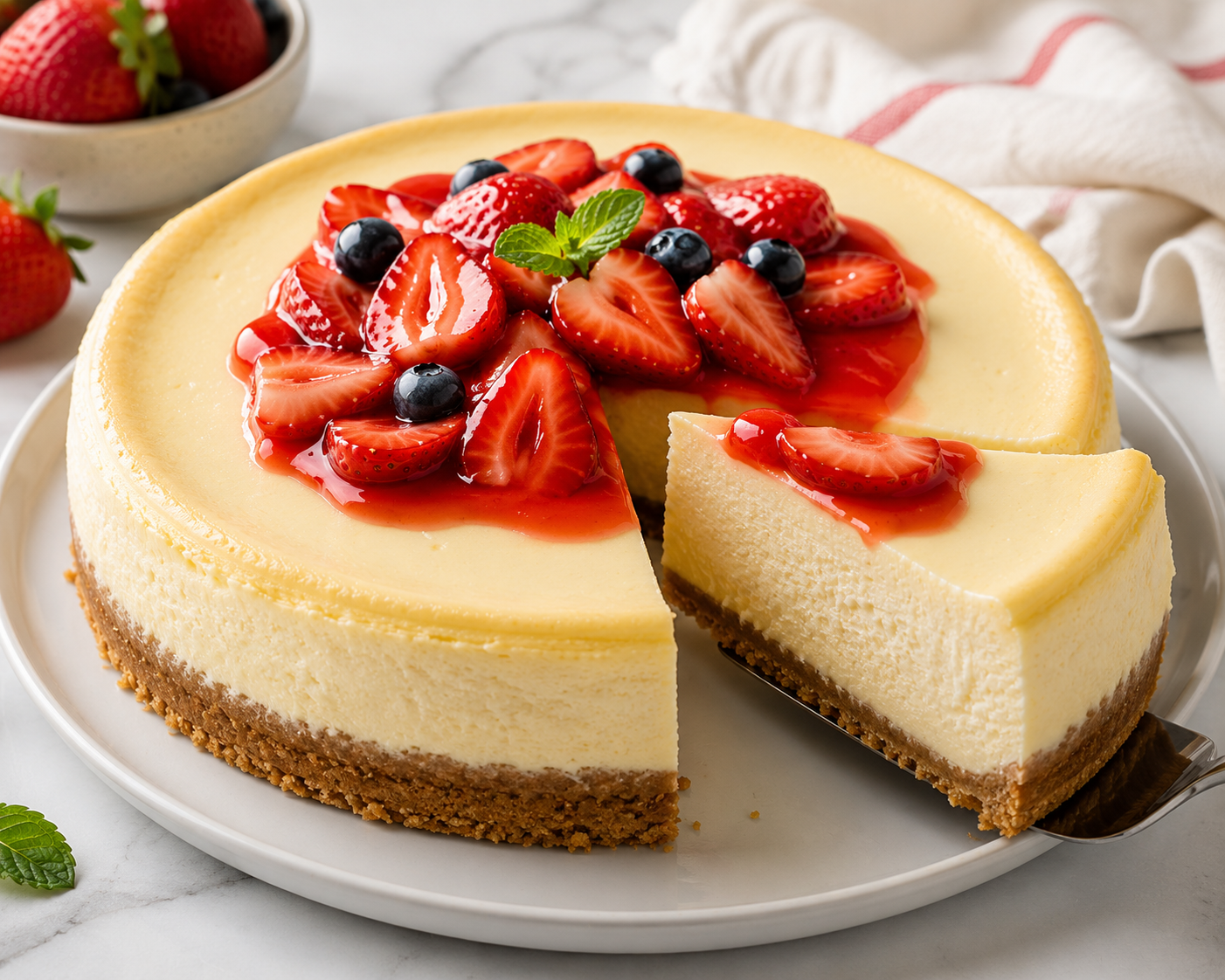
We eat with our eyes first. A beautifully decorated cake can instantly catch our attention with smooth frosting, perfect layers, attractive colours, and carefully placed toppings. But what happens when you finally take a bite and the cake doesn’t taste as good as it looks?
Maybe it is too sweet. Maybe it feels dry. Perhaps the sponge is dense, the frosting is overwhelming, or the flavour simply isn’t strong enough.
A cake can look picture-perfect and still disappoint your taste buds. That’s because creating a delicious cake involves much more than decoration. Ingredients, proportions, baking time, temperature, texture, freshness, and flavour balance all play an important role.
So, if you’ve ever wondered why a cake that looks amazing doesn’t always taste amazing, let’s look at the most common reasons—and how to avoid them.
1. Ingredients Matter More Than You Think
One of the biggest secrets behind a delicious cake is surprisingly simple: good ingredients matter.
You can have a beautiful design and professional-looking decoration, but if the basic ingredients aren’t fresh or properly selected, the taste can suffer.
Flour, butter, eggs, milk, chocolate, cocoa, vanilla, fruits, cream, and other ingredients each contribute something to the final flavour.
For example, old baking powder may not perform properly, affecting the cake’s rise and texture. Low-quality cocoa or chocolate can produce a flat, bitter, or artificial chocolate flavour. Similarly, stale nuts or fruits can affect the overall freshness of the cake.
How to improve it
Always use fresh ingredients and store them properly. Choose good-quality chocolate, cocoa, vanilla, butter, cream, and fruits whenever possible.
The difference may not be obvious when you look at the ingredients individually, but it becomes much more noticeable once they come together in a cake.
A beautiful cake starts with ingredients that taste good before they ever reach the oven.
2. The Sweetness Is Out of Balance
A cake is supposed to be sweet—but there is a big difference between sweet and too sweet.
Excess sugar can overpower the other flavours in a cake. Instead of tasting chocolate, vanilla, coffee, fruit, or spices, you may end up tasting mostly sugar.
On the other hand, a cake with too little sweetness can taste bland and unfinished.
The goal is balance.
Sugar doesn’t only provide sweetness. It also affects moisture, texture, browning, and the overall structure of a cake. This is why simply reducing or increasing sugar without considering the recipe can change more than the taste.
How to improve it
Think about the entire cake rather than just the sponge.
For example, if the frosting, filling, and toppings are already sweet, the cake itself may need a more balanced flavour profile.
Ingredients such as cocoa, coffee, citrus zest, berries, nuts, spices, and a small amount of salt can help create depth and prevent sweetness from becoming overwhelming.
The best cakes don’t make you think, “That’s incredibly sweet.” They make you think, “I want another bite.”
3. Overbaking Can Ruin a Great Cake
You can use the best ingredients in the world, but if the cake spends too much time in the oven, the final result may still be disappointing.
Overbaking is one of the most common reasons a cake becomes dry.
As a cake bakes, moisture gradually evaporates. If it stays in the oven longer than necessary, too much moisture can be lost. The result can be a dry, crumbly sponge instead of a soft and tender one.
Underbaking creates the opposite problem. The centre may remain gummy, sticky, or undercooked.
How to improve it
Follow the recommended baking temperature and time, but don’t rely on the clock alone.
Ovens can vary, so learn to check the cake as it approaches the end of its baking time. A toothpick inserted into the centre should generally come out clean or with a few moist crumbs, depending on the recipe.
Also remember that the cake continues to set as it cools.
A few extra minutes in the oven can sometimes be the difference between moist and dry.
4. The Batter Doesn’t Have Enough Flavour
Imagine biting into a beautifully decorated cake and discovering that the sponge itself tastes almost like nothing.
This happens more often than you might expect.
Sometimes all the attention goes into frosting and decoration while the actual cake base is treated as an afterthought.
or example, a chocolate cake should have a rich chocolate character. A vanilla cake should have a pleasant vanilla aroma. A lemon cake should have a refreshing citrus note.
How to improve it
Build flavour into the sponge itself.
Depending on the recipe, you can use ingredients such as:
- Vanilla extract or vanilla bean
- Cocoa or good-quality chocolate
- Coffee
- Citrus zest
- Cinnamon and other spices
- Nuts
- Fruit
- Caramel
- Coconut
Even a small amount of salt can help enhance sweetness and bring other flavours forward.
However, more flavouring isn’t always better. The goal is to create depth and balance, not to overwhelm the palate.
5. The Frosting Is Doing Too Much
Frosting can make a cake look spectacular, but it should complement the cake—not completely hide it.
A cake covered in an extremely thick layer of sweet frosting may look luxurious, but after a few bites, the sweetness can become overwhelming.
On the other hand, too little frosting can make certain cakes feel dry, especially when frosting is also being used to provide moisture and contrast between layers.
How to improve it
Think about frosting as part of the overall flavour composition.
A rich chocolate cake may work beautifully with a lighter cream-based frosting. A sweet vanilla sponge might pair well with a fruit filling that adds freshness and slight acidity.
The texture matters too.
A soft sponge with smooth cream creates a completely different experience from a dense cake paired with very heavy frosting.
The best frosting doesn’t compete with the cake—it completes it.
6. The Flavours Don’t Work Together
Sometimes a cake isn’t bad because of one ingredient. The problem is that the ingredients simply don’t complement each other.
Think about flavour like music. Every ingredient is playing a different note. If those notes work together, the result feels harmonious. If they clash, the cake can taste confusing.
For example, a very sweet sponge combined with an extremely sweet filling and sugary frosting may lack contrast.
Adding fruit, citrus, coffee, nuts, or a slightly bitter chocolate element can create balance.
How to improve it
When selecting or designing a cake, think about contrast.
Soft sponge + creamy frosting.
Sweet chocolate + slightly bitter cocoa.
Rich cream + fresh berries.
Sweet caramel + a touch of salt.
Vanilla + fruity filling.
These combinations create different textures and flavour experiences with every bite.
Instead of asking, “What ingredients can I add?”, ask:
“What flavour is missing?”
That simple question can completely change the way you approach cake flavours.
7. The Cake Isn’t Fresh Enough
Freshness can make a huge difference to taste.
Even a well-made cake can lose some of its appeal if it isn’t stored correctly or has been sitting for too long.
Exposure to air can dry the sponge. Incorrect storage can affect the frosting. Fruits and cream can lose their freshness. Some cakes can even absorb unwanted smells from the refrigerator.
How to improve it
Store cakes according to their ingredients.
Cream-based and fresh-fruit cakes often require refrigeration, while certain cakes may be better stored in a cool, airtight environment.
If you’re ordering a cake for an event, consider when you’ll be serving it. A freshly prepared cake can provide a noticeably better texture and flavour experience.
When possible, keep the cake protected from air and serve it at the temperature recommended for that particular cake.
Final Thoughts
A cake can be beautiful enough to photograph but still fail to impress when you take the first bite.
The difference between a cake that looks good and a cake that tastes unforgettable often comes down to small details: ingredient quality, sweetness, baking time, flavour intensity, frosting, freshness, and texture.
The next time you choose or bake a cake, don’t judge it only by its appearance.
Look at the whole experience.
Is the sponge soft? Are the flavours balanced? Does the frosting complement the cake? Is there enough contrast? Are the ingredients fresh?
Because at the end of the day, decoration might make someone stop and look at a cake—but taste is what makes them come back for another slice.