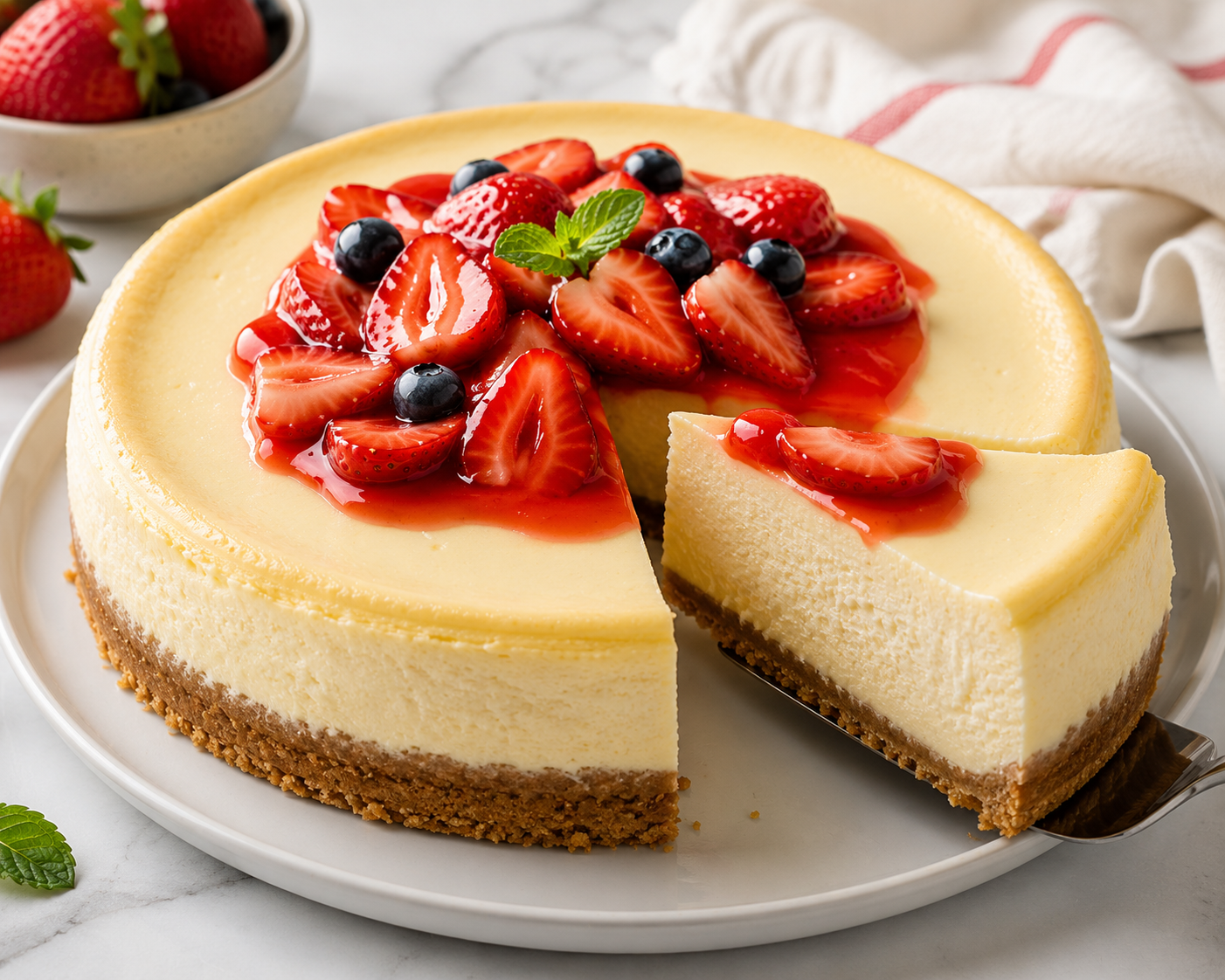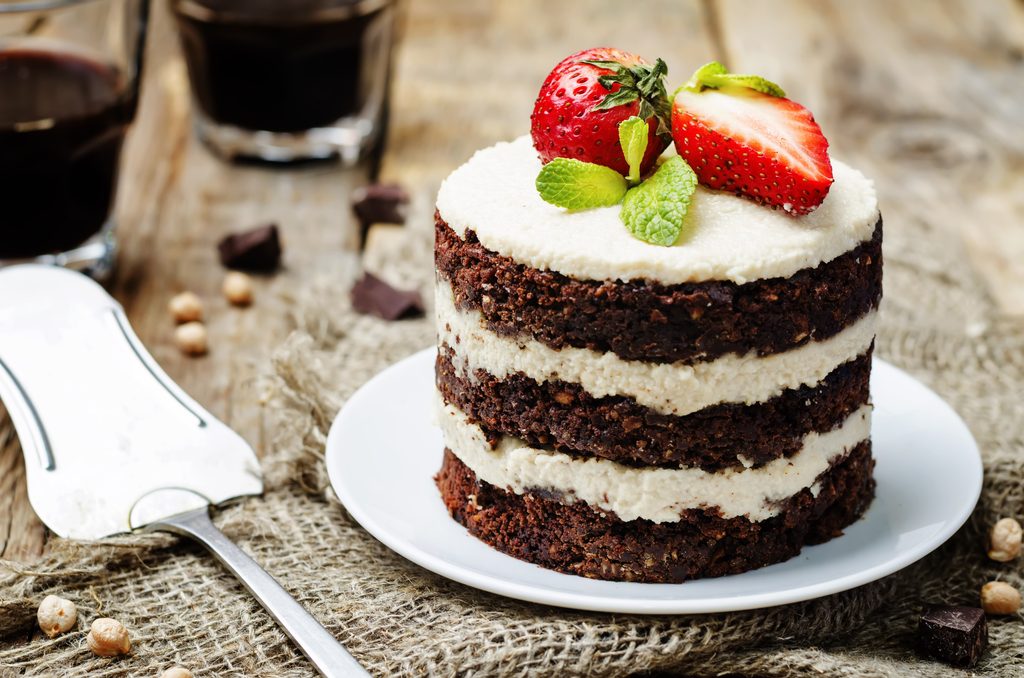
You absolutely can bake a moist, fluffy, bakery-style cake without using a single egg. Whether you’re vegan, allergic, out of eggs, or just curious, this guide walks you through why eggs matter in cakes, the best egg substitutes, a reliable base recipe, and how to troubleshoot common problems so your eggless cakes turn out perfect every time.
Why Do Cakes Use Eggs—and Can You Really Skip Them?
In traditional cake recipes, eggs perform three main jobs:
- Leavening: Eggs trap air when beaten and help the cake rise, especially in sponges and chiffon-style cakes.
- Binding: Proteins in eggs hold the crumb together so the cake doesn’t fall apart.
- Moisture and richness: Eggs add liquid, fat, and emulsifiers that create a tender, soft texture.biggerbolderbaking+1
When you remove eggs, you replace those functions with other ingredients:
- Leavening → baking powder, baking soda, and acidic ingredients (yogurt, vinegar, buttermilk).
- Binding → flax/chia “eggs,” yogurt, mashed banana, applesauce, or silken tofu.
- Moisture and richness → oil, butter, yogurt, milk, plant milks, fruit purées.
The key is choosing the right substitute for the type of cake you want and balancing liquids, fats, and leavening.
Best Egg Substitutes for Cakes (and When to Use Each)
Here are the most effective egg replacements for cakes, with exact ratios and best-use cases.
1. Yogurt or Buttermilk
Ratio: ¼ cup plain yogurt or buttermilk per egg.
Best for: Vanilla, chocolate, and everyday layer cakes; muffins and quick breads.
Why it works: Yogurt adds moisture, tenderness, and acidity. The acid reacts with baking soda to create lift, giving a soft, fine crumb.biggerbolderbaking+2
Tip: Use room-temperature yogurt for smoother batter and better rise.
2. Vinegar + Baking Soda
Ratio: 1 teaspoon vinegar (white or apple cider) + ½–1 teaspoon baking soda per egg (often used alongside other wet ingredients).
Best for: Light, airy sponge cakes and cupcakes.
Why it works: The acid–base reaction produces carbon dioxide bubbles that help the cake rise without eggs.detoxinista+1
Tip: This combo is often used with oil, milk, and vanilla for a classic eggless vanilla cake.
3. Flax or Chia “Egg”
Ratio: 1 tablespoon ground flaxseed (or ½–1 tablespoon chia seeds) + 3 tablespoons water, rested 5–15 minutes until gel-like, per egg.biggerbolderbaking+2
Best for: Denser, moist cakes like chocolate, carrot, and spice cakes; also good in brownies.
Why it works: The gel mimics egg’s binding properties and adds some structure.
Tip: Grind flax seeds fresh for best results; chia can be used whole or ground.
4. Mashed Banana
Ratio: ½ medium mashed banana per egg.
Best for: Banana cake, chocolate-banana cake, spice cakes, and quick breads.
Why it works: Banana adds moisture, binding, and natural sweetness.biggerbolderbaking+1
Tip: Banana adds flavor, so use it where that taste complements the cake.
5. Applesauce
Ratio: ¼ cup unsweetened applesauce per egg.
Best for: Moist, mildly sweet cakes; great in spice, carrot, and some chocolate cakes.
Why it works: Applesauce contributes moisture and some binding without strong flavor.biggerbolderbaking+1
Tip: Reduce other liquids slightly if the batter seems too wet.
6. Silken Tofu
Ratio: ¼ cup blended silken tofu per egg.
Best for: Dense, rich cakes like chocolate, pound-style, and cheesecake-style bakes.
Why it works: Tofu adds moisture, fat-like richness, and binding with a neutral taste.biggerbolderbaking
Tip: Blend until completely smooth to avoid grainy texture.
7. Aquafaba (Chickpea Water)
Ratio: About 2–3 tablespoons per egg white; more experimental for whole-egg replacement.
Best for: Lighter textures, meringue-like toppings, and some sponge cakes.
Why it works: Aquafaba can trap air when whipped, mimicking egg whites.
Tip: Best for advanced bakers; start with recipes designed for aquafaba.
Master Eggless Vanilla Cake Recipe (Moist & Fluffy)
This is a reliable, beginner-friendly eggless vanilla cake that uses yogurt and a touch of vinegar for lift and tenderness. It works with dairy or plant-based milk.
Makes: One 8-inch round cake (or 12 cupcakes)
Prep time: 15 minutes
Bake time: 25–35 minutes
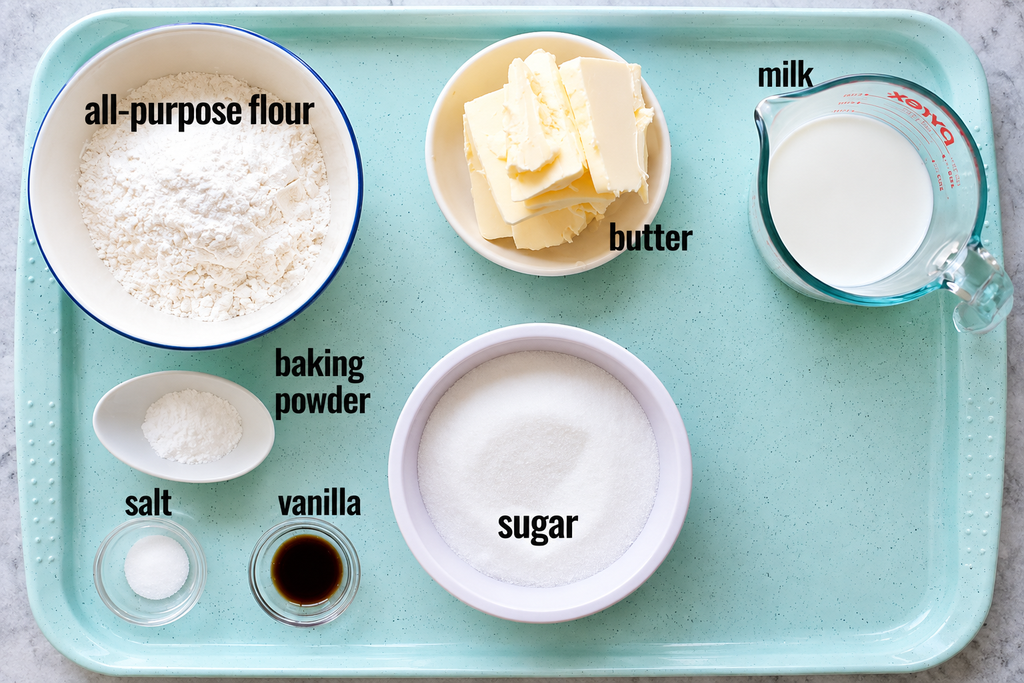
Ingredients
Dry:
- 1½ cups (180 g) all-purpose flour
- 1 cup (200 g) granulated sugar
- 1 teaspoon baking powder
- ½ teaspoon baking soda
- ¼ teaspoon salt
Wet:
- 1 cup (240 ml) milk (dairy or plant-based)
- ⅓ cup (80 g) plain yogurt (dairy or non-dairy)
- ⅓ cup (80 ml) neutral oil or melted butter
- 1½ teaspoons vanilla extract
- 1 teaspoon white vinegar or apple cider vinegar
Instructions
- Preheat and prepare pan
Preheat oven to 350°F (180°C). Grease and line an 8-inch round cake pan with parchment paper.pantryswaps - Whisk dry ingredients
In a large bowl, sift together flour, baking powder, baking soda, and salt. Sifting adds air and prevents lumps.pantryswaps+1 - Combine wet ingredients
In another bowl, whisk milk, yogurt, oil (or melted butter), vanilla, and vinegar until smooth. Room-temperature ingredients mix more evenly.pantryswaps+1 - Mix wet into dry
Pour the wet mixture into the dry ingredients. Stir gently with a spatula or whisk just until no dry streaks remain. Do not overmix; a few small lumps are fine. Overmixing develops gluten and makes the cake dense.pantryswaps+2 - Bake
Pour batter into the prepared pan and smooth the top. Tap the pan lightly on the counter to release large air bubbles. Bake for 25–35 minutes. Start checking at 25 minutes. The cake is done when:- The top springs back when lightly pressed.
- A toothpick inserted in the center comes out with a few moist crumbs (not wet batter).
- An instant-read thermometer reads about 205°F (96°C) in the center.pantryswaps+1
- Cool
Let the cake cool in the pan for 10–15 minutes, then turn it out onto a wire rack to cool completely before frosting. Cooling fully prevents sogginess and helps the crumb set.numnumsbakery.com
Frosting Ideas
- Simple buttercream: Beat ½ cup softened butter with 1½ cups powdered sugar, 1–2 tablespoons milk, and ½ teaspoon vanilla.
- Cream cheese frosting: Blend 4 oz cream cheese, ¼ cup butter, 1½ cups powdered sugar, and ½ teaspoon vanilla.
- Chocolate ganache: Pour warm cream over chocolate chips, stir until smooth, and cool slightly before spreading.
Eggless Chocolate Cake Variation
To turn the vanilla cake into chocolate:
- Reduce flour to 1¼ cups (150 g).
- Add ¾ cup (65 g) unsweetened cocoa powder to the dry ingredients.
- Increase sugar to 1¼ cups (250 g) if you like it sweeter.
- Add ½ cup (120 ml) hot water or hot coffee to the wet ingredients to bloom the cocoa and deepen flavor.
Mix as directed and bake at the same temperature and time, checking for doneness a few minutes early.
Using Boxed Cake Mix Without Eggs
If you’re using a store-bought cake mix that calls for eggs:
- Replace each egg with ¼ cup plain yogurt. For a mix that calls for 2 eggs, use ½ cup yogurt; for 3 eggs, use ¾ cup.dutchapron
- For extra structure (especially with 3-egg mixes), add an extra ¼ cup all-purpose flour along with the yogurt.
- Mix according to package directions and bake as instructed, testing for doneness a few minutes early.
This method works with most vanilla, chocolate, and funfetti-style mixes.
Final Thoughts
Making a cake without eggs is not a compromise—it’s a different (and often easier) way to bake. With the right substitute, proper measurements, and gentle mixing, you can create moist, tender, and beautifully risen cakes that rival any traditional recipe. Start with the vanilla cake above, experiment with flavors, and soon you’ll have a go-to eggless method you can trust for birthdays, celebrations, and everyday treats.